Understanding African Stone Art: Springstone, Serpentine, and Opal Stone Explained

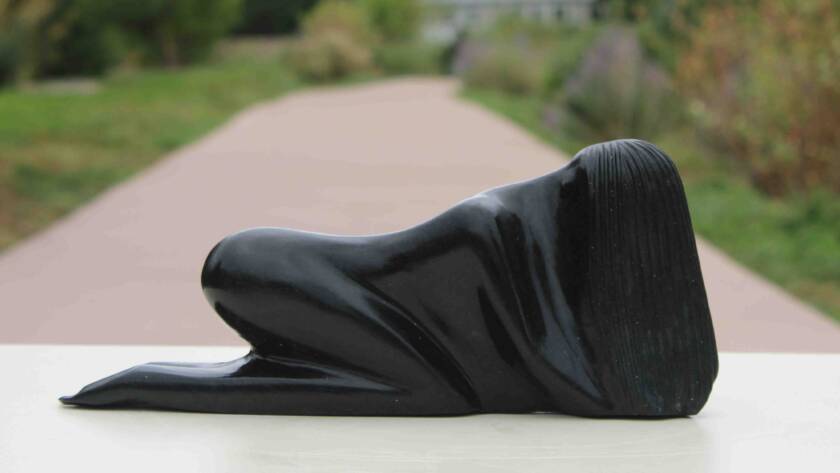
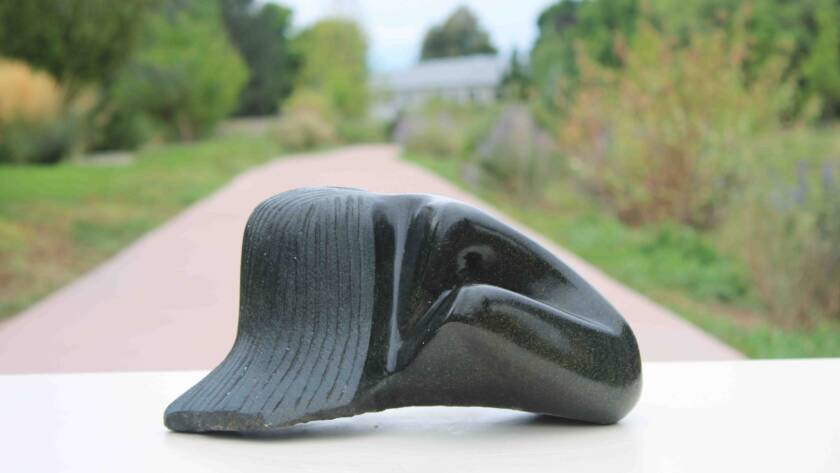
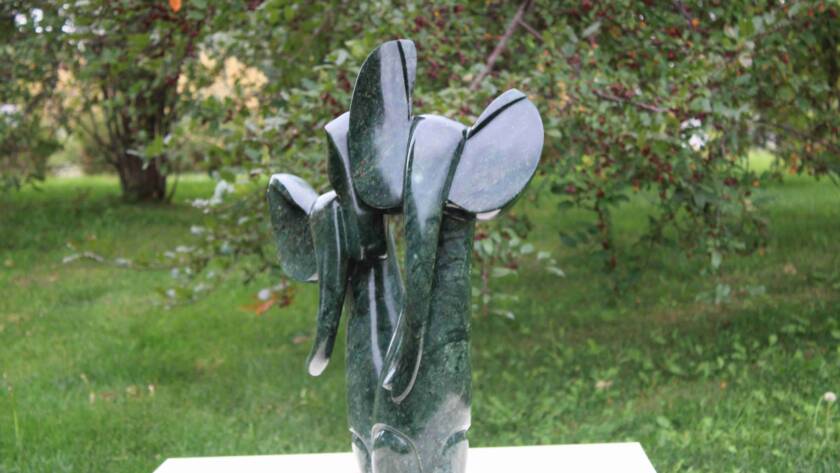
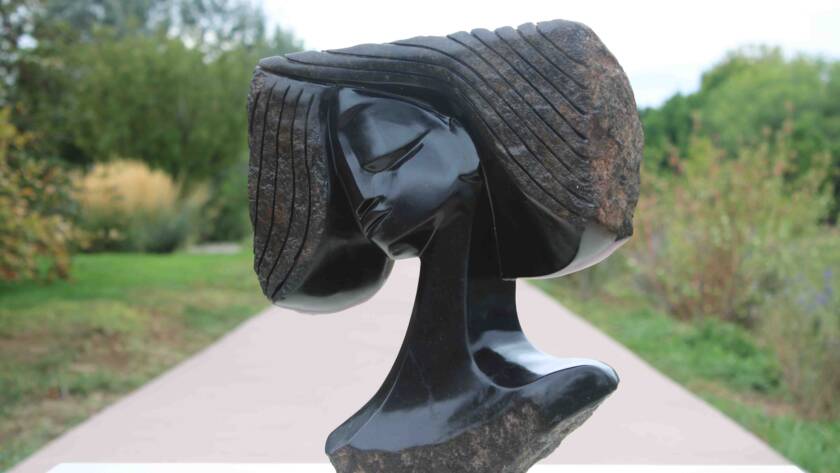
When collecting Zimbabwean stone sculptures, the beauty of the artwork is deeply tied to the natural rock from which it is carved. Artisan sculptors work directly with native geological formations to release figures hidden within the stone. Springstone: A dense, exceptionally hard black serpentine rock. Known for its rich dark tones, high-gloss polish potential, and…
Read More

The Spirit in the Stone: How Ubuntu and Heritage Shape Contemporary Stone Carvings

Zimbabwean stone art transcends mere visual decoration; it is a physical expression of ancestral tradition, family unity (Ukama), and the philosophy of Ubuntu—"I am because we are". The Concept of Duality: Double-faced geometric busts and twin profile carvings reflect shared heritage, ancestral vision, and communal strength. The Harmony of Form: Reclining and seated contemplative figures…

Read More

Styling Fine Art: How Hand-Carved Stone Sculptures Elevate Modern Interiors

Integrating original stone sculptures into residential or modern office interiors adds architectural weight, natural texture, and organic warmth to clean contemporary lines. Sculpture ProfileRecommended PlacementStyling TipHigh-Contrast Abstract BustsEntrance Foyer Console or Office DeskPair opposite soft ambient lighting to highlight polished dark stone faces and raw mineral backdrops.Low-Profile Reclining FiguresLow Coffee Tables or Open ShelvingStyle alongside…

Read More

From Raw Rock to Fine Art: The Craftsmanship Behind Hand-Carved Stone Sculptures

Unlike mass-produced decorative items, every authentic stone artifact is crafted through weeks of painstaking manual labor using traditional hand tools. Manual Extraction: Artisans hand-select natural stone boulders from regional quarries, allowing the unique shape of the rock to dictate the subject. Chisel and File Work: Sculptors shape raw blocks entirely by hand using hammers, chisels,…

Read More